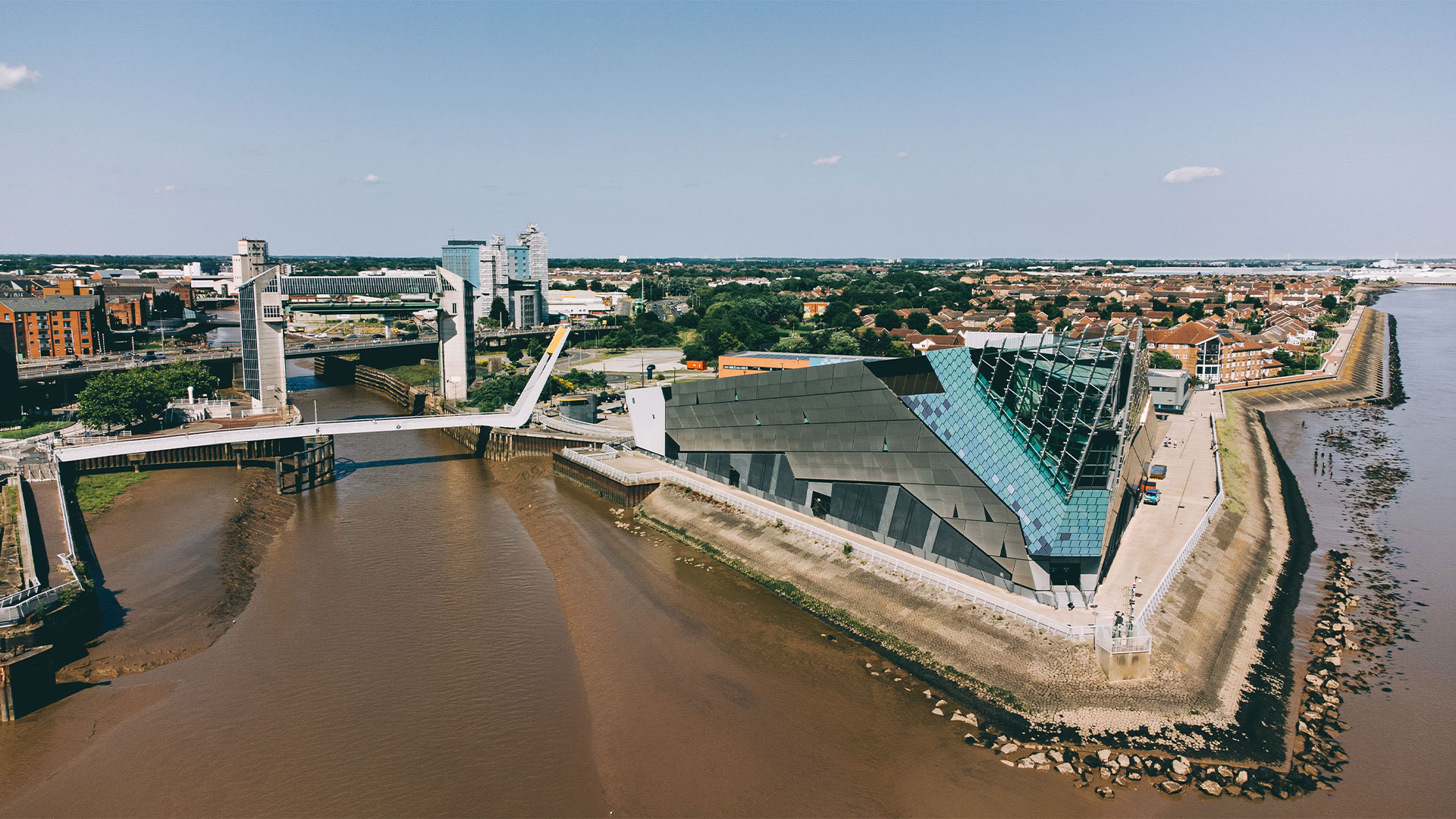

The average house price in Hull has reached £137,000, an increase of £9,000 compared with a year earlier.
Figures published by the Office for National Statistics on 21st October show annual growth of 6.6%, compared with 1.8% across Yorkshire and the Humber.
The figures cover August 2026 and remain provisional.
For homeowners approaching the end of a mortgage deal, an increase in their own property’s value could bring access to better rates.
The benefit will depend on what their home is now worth and how much of the mortgage they have repaid.
What Has Changed in Hull?
The average price increased from £128,000 to £137,000 over the year. Hull’s prices grew faster than the regional average, while remaining below the Yorkshire and the Humber figure of £209,000.
Someone who bought several years ago could have seen a greater change in their property’s value.
ONS figures put Hull’s average house price at around £121,300 in August 2021. Someone who bought around that time could now have more equity through rising prices and five years of mortgage repayments.
How Could Your Equity Look Five Years After Buying?
For illustration, someone buying a £120,000 home five years ago with a 10% deposit would have put down £12,000 and borrowed £108,000.
On a repayment mortgage over 30 years, with an example interest rate fixed at 2.5% for those five years, their monthly payment would have been around £427.
After five years of payments, they would owe approximately £95,000.
If their home were now valued at £137,000, they would have around £42,000 in equity. This is the difference between the property’s value and the mortgage remaining.
Their original £12,000 deposit would therefore have grown into a larger share of the home through a combination of repayments and the increase in value.
These are of course illustrative figures for example purposes, rather than a prediction for every Hull homeowner.
Why Could That Help You Get a Better Mortgage Rate?
In that example, the homeowner originally needed a mortgage covering 90% of the purchase price. Five years later, they would need to borrow around 69% of the home’s current value to replace the remaining mortgage.
Lenders generally offer lower rates when the mortgage covers a smaller percentage of the property’s value.
The homeowner could therefore qualify for deals that were unavailable when they bought, without needing to put extra savings into the mortgage.
Lenders group their deals into percentage bands, so the benefit depends on crossing into a band offering better rates. A rise in value can help, alongside the amount repaid over the years.
What Are Your Options When Your Fixed Rate Ends?
You can choose a new deal with your existing lender through a product transfer, or move the mortgage to another lender through a remortgage.
A product transfer can be simpler and involve fewer checks.
Remortgaging gives you the opportunity to compare other lenders, which could be worthwhile if your increased equity opens up better rates.
We can compare both options, including the fees. Any improvement would be against the deals available today, so your payment could still rise if you are leaving an older, cheaper fixed rate.
How Can First-Time Buyers Prepare for Higher Prices?
First-time buyers in Hull paid an average of £129,000, compared with £121,000 a year earlier.
If your savings and income have stayed the same, that increase could make it harder to afford the properties you have been considering.
Checking your borrowing options before viewing gives you a budget based on your current circumstances. You can then work out how much of your savings is available for the deposit after allowing for buying costs.
You may only need a 5% deposit, depending on the property and lender criteria.
A gifted deposit from family could also close a savings gap or reduce the amount you need to borrow, making these options worth checking before deciding to delay a purchase.
Check What the Price Rise Means for Your Own Mortgage
Hull’s average increase provides useful context, though your mortgage options depend on the value of your own home.
If your deal is ending, checking that value alongside your remaining balance could show that you have more choice than when you first bought.
As a mortgage broker in Hull, we can review those figures and compare your next deals. This establishes if the equity you have built up could translate into a saving when you switch.
Date Last Edited: 10/23/2026